

TESTBERICHTEINSTITUT LLC · FDCPA & MEDICAL DEBT EDUCATION
FDCPA Medical Debt Validation: 5 Ultimate Consumer Rights
FDCPA Medical Debt Validation can provide important consumer protections when a medical debt is being collected by a debt collector covered by the Fair Debt Collection Practices Act.
The effect of FDCPA Medical Debt Validation depends on who is collecting the medical debt, when the required validation information was received, what part of the debt is disputed, and whether the dispute is submitted in writing within the applicable validation period.
A timely written FDCPA Medical Debt Validation dispute can require a covered debt collector to cease collection of the disputed debt or disputed portion until the collector sends the required verification or a copy of a judgment.
FDCPA Medical Debt Validation should therefore be understood as a specific federal consumer-protection process — not as permanent debt cancellation, a universal medical debt freeze, or an automatic prohibition on every future communication, lawsuit or credit-reporting activity.
By Testberichteinstitut LLC · Federal information reviewed:
U.S. educational information only · FDCPA coverage, state law and the effect of a particular dispute depend on the facts and circumstances. This guide does not determine individual legal rights.

1. FDCPA Medical Debt Validation does not apply to every medical bill
The first question in any FDCPA Medical Debt Validation review is: Who is collecting the debt?
The FDCPA and Regulation F generally regulate debt collectors covered by federal law. A separate collection agency or certain debt buyers may fall within those rules.
A hospital, physician or other original creditor collecting its own account should not automatically be treated as a covered FDCPA debt collector. Other federal or state requirements may still apply.
For that reason, FDCPA Medical Debt Validation should be evaluated only after identifying the company or person actually collecting the account.
Hospital or physician
A healthcare provider collecting its own account is not automatically subject to the FDCPA in the same way as a covered third-party debt collector.
Billing company
Coverage can depend on the company’s role, when it obtained the account and other facts surrounding the collection activity.
Collection agency
If the company qualifies as a covered debt collector, FDCPA Medical Debt Validation protections may become relevant.
Read the collection notice carefully.
Before sending an FDCPA Medical Debt Validation dispute, identify the collector, current creditor, original creditor if disclosed, amount claimed and validation-period deadline.
2. FDCPA Medical Debt Validation includes a 30-day validation period
For FDCPA Medical Debt Validation, Regulation F defines a validation period beginning when the required validation information is provided and ending 30 days after the consumer receives or is assumed to receive that information.
Timing can affect the collection-pause protection
A validation notice generally identifies the date the collector will treat as the end of the validation period.
An FDCPA Medical Debt Validation review should therefore start with the validation notice.
The notice generally contains information about the debt, collector, creditor, amount and available consumer response options.
If a consumer disputes the debt or part of the debt in writing within the applicable validation period, the covered collector generally must cease collection of the disputed amount until it provides the required verification response.
Not disputing within 30 days is not an admission of liability.
Failure to dispute the debt does not by itself constitute a legal admission that the consumer owes it.
However, missing the validation-period deadline can affect the special FDCPA Medical Debt Validation collection-pause protection associated with a timely written dispute.
3. What a timely FDCPA Medical Debt Validation dispute actually does
When a covered debt collector receives a qualifying written dispute during the validation period, Regulation F generally requires the collector to cease collection of:
- the entire debt, when the consumer disputes the entire debt; or
- the disputed portion, when only part of the balance is disputed.
Under FDCPA Medical Debt Validation, the collection pause generally continues until the collector sends verification of the debt or a copy of a judgment, as applicable.
Pause collection of the disputed amount
A timely FDCPA Medical Debt Validation dispute can require a covered debt collector to pause collection of the disputed amount while the applicable verification requirement remains unsatisfied.
Permanently eliminate the debt
Once the applicable verification is sent, collection may generally resume unless another law, agreement or protection applies.
FDCPA Medical Debt Validation does not require Certified Mail
A written FDCPA Medical Debt Validation dispute can be submitted through methods recognized and accepted by the collector.
Depending on the collector’s procedures, those methods may include:
- written mail;
- the response form supplied with the validation notice;
- an email address through which the collector accepts consumer communications; or
- an online portal through which the collector accepts disputes.
Certified Mail, Return Receipt or another tracked delivery method may be useful as evidence of delivery. The mailing method itself, however, does not create additional substantive rights.
FDCPA Medical Debt Validation does not mean “send every medical document.”
The federal validation rules require the applicable verification response before covered collection of a timely disputed amount resumes.
FDCPA Medical Debt Validation should not be represented as universally requiring the collector to obtain or send:
- an entire medical chart;
- every CPT® code;
- physician notes;
- every insurance record;
- a newly created accounting audit; or
- every document a consumer requests.
I dispute [all / the following portion] of the debt described in your validation notice: [briefly identify the disputed amount or issue] Please provide the verification required in response to this written dispute. If the original creditor is different from the current creditor identified in your notice, I also request the name and address of the original creditor. Please use the account reference shown in your notice when responding.
This example is general educational wording. Do not state that an FDCPA Medical Debt Validation dispute is timely unless that is accurate. Keep a copy of what was sent and evidence of submission.
4. Communication rights are separate from FDCPA Medical Debt Validation
One common source of confusion in FDCPA Medical Debt Validation is treating a debt dispute and a request to stop communications as though they were the same legal mechanism.
They are separate protections.
Regulation F § 1006.38
A timely written FDCPA Medical Debt Validation dispute can pause collection of the disputed debt until applicable verification is sent.
Regulation F § 1006.6
A consumer can separately notify a covered debt collector in writing that further communications should cease.
What can happen after a written cease-communication request?
Once a covered collector receives a valid written cease-communication notice, further communications are generally restricted, subject to limited statutory exceptions.
Those exceptions can include certain communications concerning termination of collection efforts or specified remedies.
A cease-communication request does not itself erase the underlying obligation or prevent every other lawful remedy.
Depending on the circumstances, lawful actions can still include credit reporting or litigation.
Debt collectors also have communication restrictions
Covered debt collectors generally may not communicate at unusual times or places or at times or places they know or should know are inconvenient.
In the absence of contrary information, calls before 8:00 a.m. or after 9:00 p.m. local time are generally treated as inconvenient.
Harassing, oppressive or abusive debt-collection conduct is also restricted by federal law.
I request that you cease further communications with me concerning this debt, except for communications permitted by applicable law.
This wording concerns communication. It is separate from FDCPA Medical Debt Validation. Consider the practical consequences before requesting that communications stop completely.
5. FDCPA Medical Debt Validation does not create a blanket credit-reporting ban
Another common misconception about FDCPA Medical Debt Validation is that any dispute automatically prevents a collector from furnishing information to a consumer reporting company.
That statement is too broad.
A disputed debt should not be reported as though it were undisputed.
The FDCPA prohibits false or misleading credit information, including failing to communicate that a debt known to be disputed is disputed.
FDCPA Medical Debt Validation therefore does not mean that a disputed account can never appear on a consumer report.
Regulation F also contains separate requirements concerning when a collector can first furnish information about a debt to a consumer reporting agency.
FDCPA Medical Debt Validation and older medical debt
Statutes of limitation vary by state and type of debt.
A covered debt collector generally may not sue or threaten to sue a consumer to collect a time-barred debt.
In some jurisdictions, making a payment or acknowledging an old debt can affect the applicable limitations period.
Because that question is state-law dependent, Testberichteinstitut LLC does not advise all consumers to pay, refuse payment or acknowledge old debt.
When substantial money, old debt, active litigation or an important legal deadline is involved, consider obtaining advice from an appropriately qualified attorney.
Need structured FDCPA Medical Debt Validation materials?
Package 2 of the Medical Bill Review Toolkit includes additional Medical Debt Collection materials for consumers who want a structured starting point for their own correspondence.
The materials can help organize questions about FDCPA Medical Debt Validation, collection notices and follow-up correspondence.
You review, personalize and send the materials yourself. Testberichteinstitut LLC does not act as your attorney, debt-settlement company or representative before a debt collector.
Purchase is optional. No debt cancellation, verification result, collection suspension, settlement, credit-report change or other outcome is guaranteed.
Official FDCPA Medical Debt Validation sources
Primary federal sources used for this FDCPA Medical Debt Validation educational guide. These links do not imply government endorsement of Testberichteinstitut LLC.
- CFPB — Regulation F § 1006.34 Validation Notices
- CFPB — Regulation F § 1006.38 Debt Disputes
- CFPB — Regulation F § 1006.6 Communications
- CFPB — Regulation F § 1006.14 Harassment and Telephone Calls
- CFPB — Regulation F § 1006.18 False or Misleading Representations
- CFPB — Regulation F § 1006.26 Time-Barred Debts
- CFPB — Regulation F § 1006.30 Credit Reporting and Other Practices
- CFPB — What Information a Debt Collector Must Provide
- CFPB — Asking a Debt Collector to Stop Contacting You
Statutory Self-Advocacy & Defense Frameworks
Cross-reference our complete series of forensic medical billing guides or verify governing federal statutes directly through official government oversight portals.
Billing Dispute Hold
Freeze 30-day collection cycles immediately via written notice.
365-Day Credit Score Shield
Mandatory 1-year reporting safe harbor & $500 debt exclusion.
5-Digit CPT Code Itemization
Unbundling rights and auditing duplicate hospital markups.
FDCPA Debt Validation
Halt third-party collection agency phone calls and pressure.
240-Day Charity Care Hold
Mandatory relief protection during hardship review.
Cash Price Transparency
Benchmark gross chargemaster bills against published cash rates.
Federal No Surprises Act enforcement guidelines & Hospital Price Transparency mandates.
Consumer rights under federal debt collection statutes and FCRA medical credit reporting standards.
HIPAA 45 CFR § 164.524 statutory guidance regarding patient rights to designated billing records.
Full statutory text of 15 U.S. Code § 1692g regarding debt validation notices and consumer verification rights.
Start With the Package That Matches Your Situation
Both options include the Hospital Bill Review Toolkit, Doctor / Physician Bill Review Toolkit and U.S. Hospital List. Package 2 adds the separate Medical Debt Collection Toolkit.
Medical Bill Review Package
For hospital and doctor / physician billing.
Medical Bill Review + Collection Package
The complete package for provider billing and medical debt collection communication.
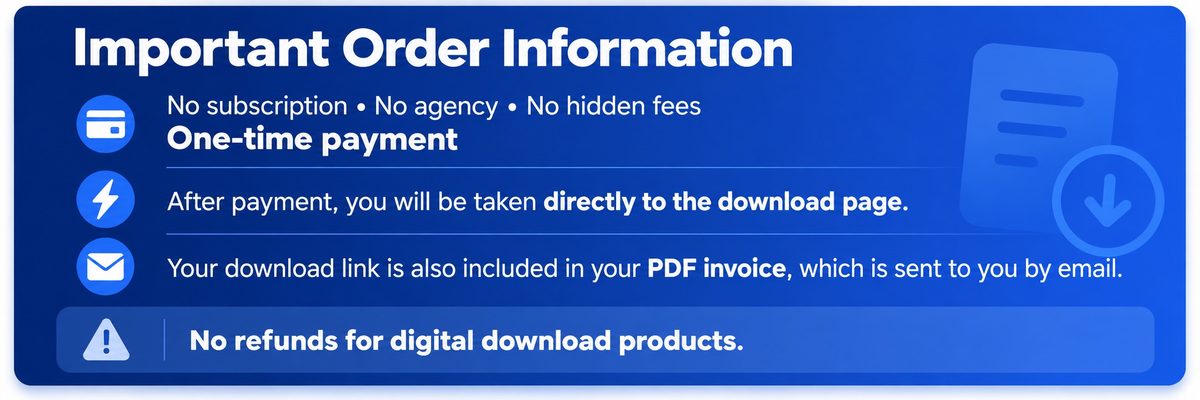
Your Files Are Available Immediately After Payment
Once your payment has been successfully completed, you will be automatically redirected to your package download page , where you can access your digital materials immediately.
Your purchased files can be accessed directly from the download page after successful payment.
Your PDF invoice is sent to you by email after purchase and also includes your package download link.